
What the listing states, what it leaves out, and how to test both.
A listing describes a car the way a seller wants it described. A specification review reads it the other way round: what is claimed, what is unstated, and what remains open.
The claims, one against another.
The stated trim is read against what that build actually carried, options listed are separated from options that were standard, and the servicing and MOT record is set out in the order it happened so gaps are visible rather than buried.
Where a model has a pattern of reported faults, it is named. Naming it is not a judgement on the individual car; it is a list of things to go and look at.
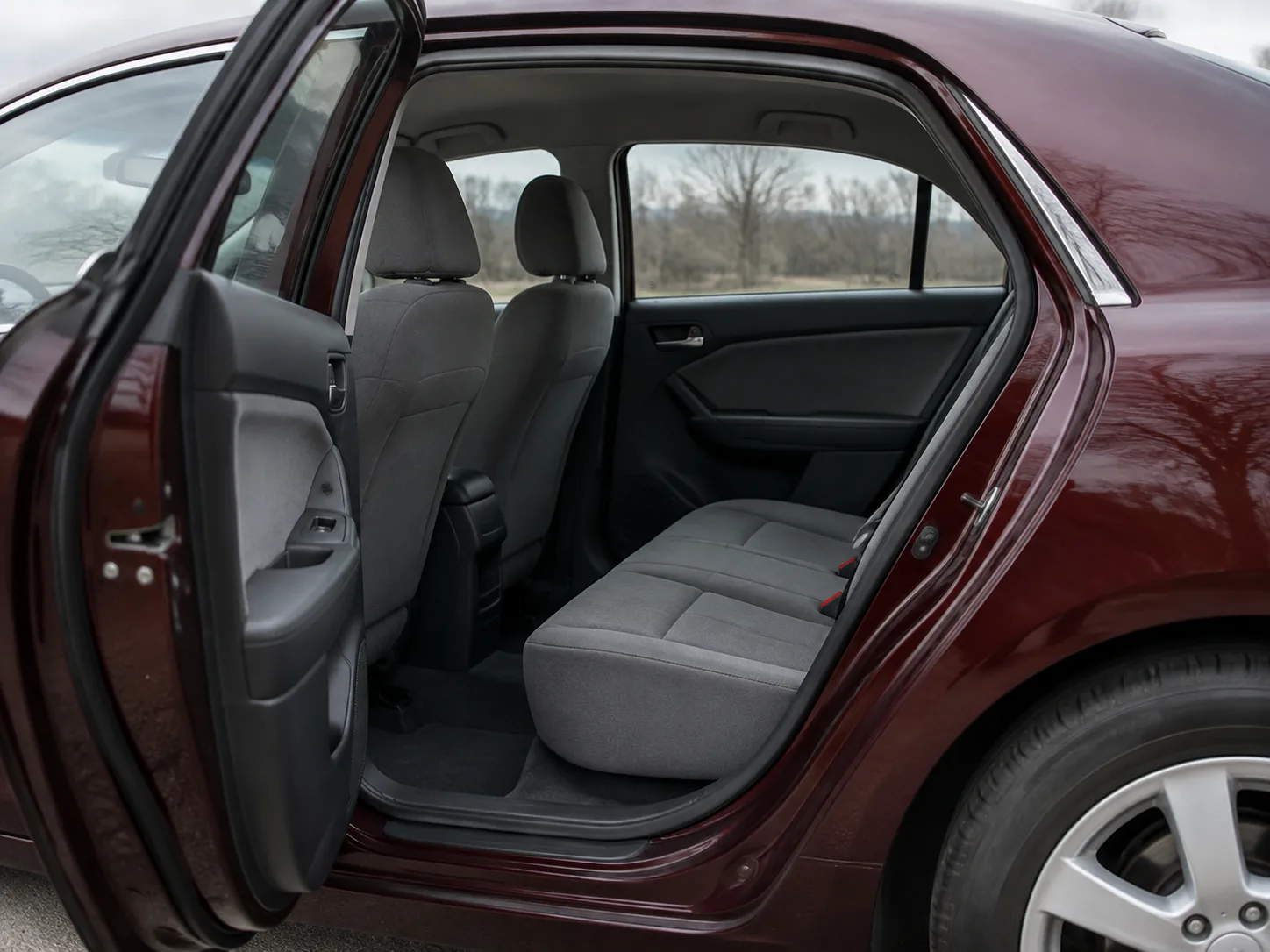
What only a viewing can settle.
Paint and body
Whether panels have been refinished, and how evenly they sit against their neighbours.
Consumables
Tyre ages and depths, brake wear, and how much of each is left to pay for.
Record against reality
Whether the paperwork matches the car in front of you, and whether anything in it has been allowed to lapse.
Marks and history
Anything on the body or in the file that no photograph and no listing can show you honestly.
The list is written to be used at the car, in order. It is not a report on a vehicle we have seen — we have not seen it.